Video
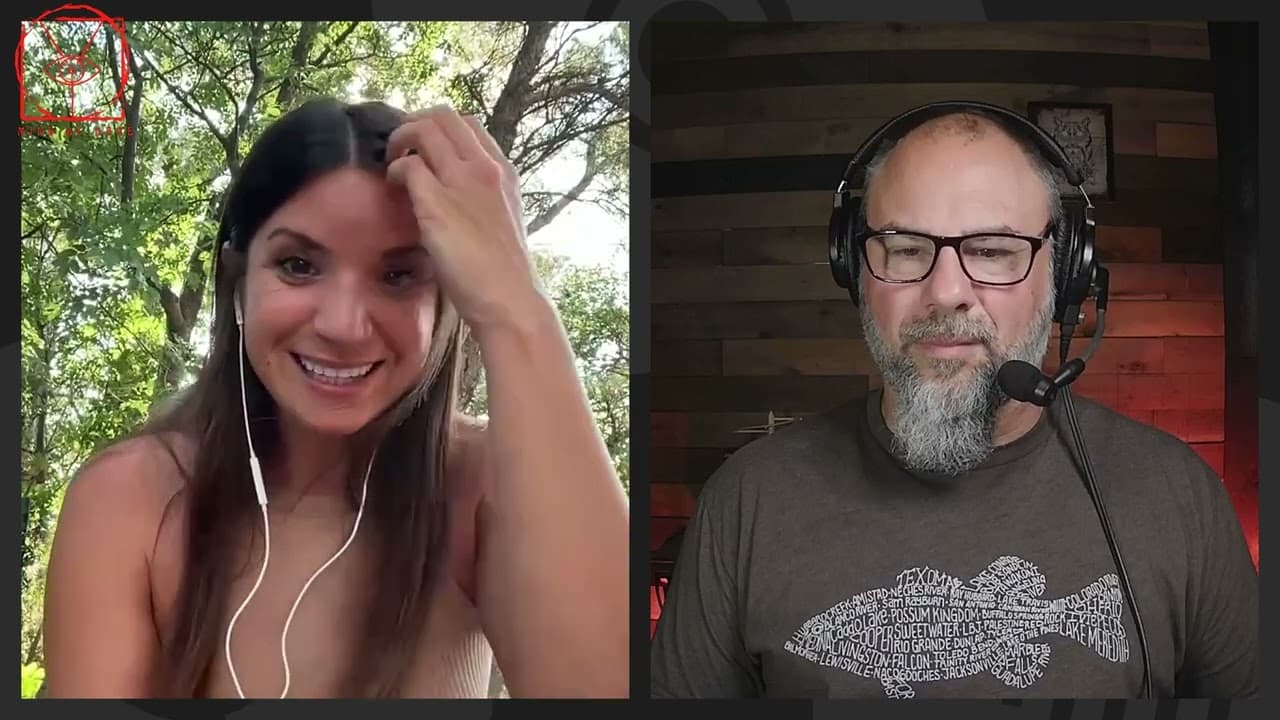
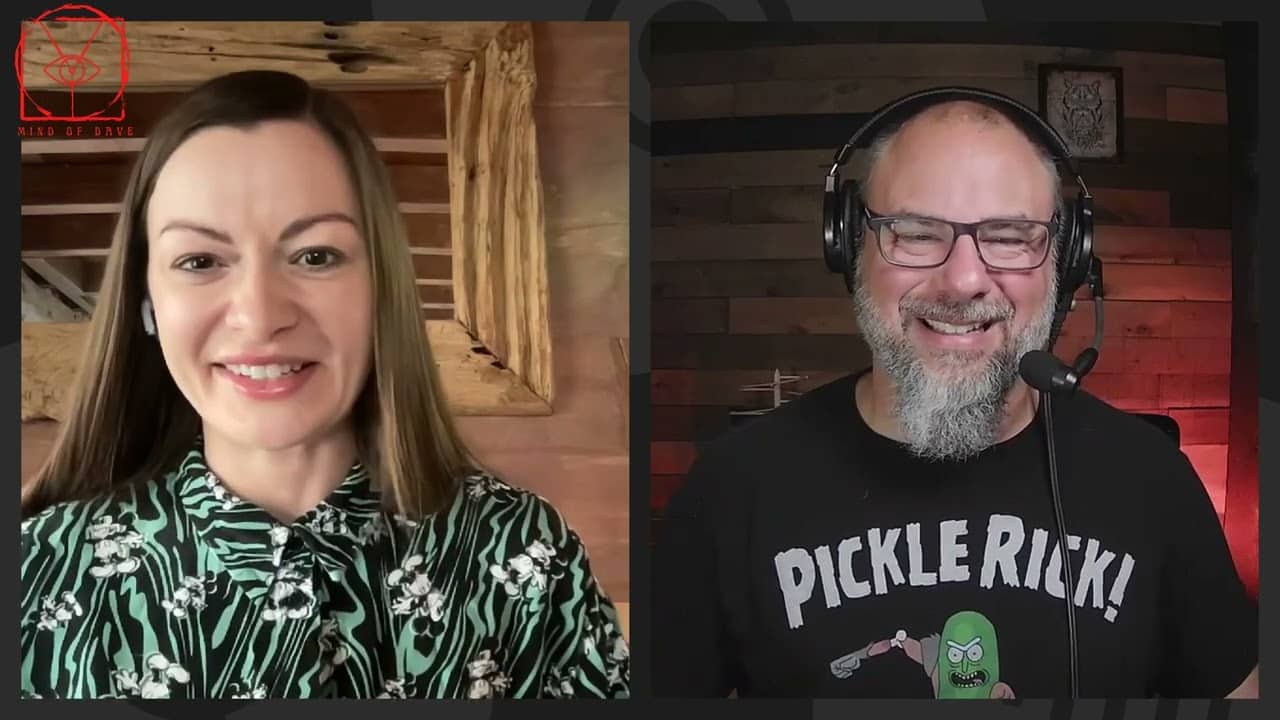
#9 Maria Nimfuehr The Future of Augmented Humans and a Magical Place called Vitalia City
Spot Sports video
#9 Maria Nimfuehr The Future of Augmented Humans and a Magical Place called Vitalia City
›
Aug 14, 20241:01:42
Person context
Follow more around maria nimfuehr.
Open athlete profiles or related sport coverage without starting a new search.
Dive into the future of human enhancement, exploring how advances like bioprinting and energy-harvesting implants might extend life and redefine what it means to be human.
In this conversation, Dr. Dave and Maria Nimfuehr discuss various topics related to human augmentation and longevity. They explore the idea of death becoming obsolete in the future and the potential for humans to live longer and healthier lives. They also touch on the concept of network states and the emergence of communities focused on scientific progress. The conversation delves into the field of bioprinting and the possibility of printing organs for transplantation. They also discuss the use of implants, such as magnets, in the human body and the potential for energy harvesting from the body to power these implants. The conversation covered various topics related to bioprinting, stem cells, and genetic research. Some key points discussed include the use of stem cells to grow neurology throughout the heart, the potential of 3D printing for spinal disk replacement, the transplantation of a uterus, the concept of drilling holes in the skull for consciousness enhancement, and the use of yeast to test drug compounds for rare genetic diseases. The conversation also touched on the importance of community collaboration and the belief that individuals can make a difference in shaping a brighter future.
Takeaways
The future may bring advancements in human augmentation and longevity that could make death obsolete.
Network states, communities focused on scientific progress, could emerge as a new form of governance.
Bioprinting holds promise for the creation of organs for transplantation.
Implants, such as magnets, can provide additional senses and capabilities to the human body.
Energy harvesting from the body could potentially power implants and eliminate the need for external charging. Bioprinting and stem cell research have the potential to revolutionize medical treatments and organ transplantation.
3D printing can be used for spinal disk replacement and other medical applications.
Transplantation of a uterus is possible and has been successfully done.
Some individuals are drilling holes in their skulls for consciousness enhancement, although this is a controversial practice.
Yeast can be used to test drug compounds for rare genetic diseases.
Community collaboration and individual contributions can make a significant impact in shaping a brighter future.
Keywords
human augmentation, longevity, death, network states, bioprinting, organ transplantation, implants, energy harvesting, bioprinting, stem cells, genetic research, 3D printing, spinal disk replacement, transplantation, uterus, drilling holes in skull, consciousness enhancement, yeast, drug compounds, rare genetic diseases, community collaboration, brighter future
Chapters
00:00 Introduction and Overview
05:50 Funding Impact Innovation and the Concept of a Network State
10:52 Exploring the World of Biohacking
20:15 Magnets and Human Augmentation
26:49 The Potential of Energy Harvesting Implants
29:10 Bioprinting Organs: A Revolution in Healthcare
31:27 The Future of 3D Printing Body Parts
35:22 Uterus Transplants
38:07 Advancements in 3D Printing and Tissue Engineering
42:49 Yeast as a Tool for Drug Testing
47:36 Marabu: Funding Innovative Biotech Projects
56:01 Community Collaboration and Making a Difference
Connect with Maria
linkedin.com/in/marianimfuehr
marabou.pro
Frequently asked
Where can I watch this?
Press play above — the video streams right here. The free Spot Sports app also queues clips like this one alongside your followed teams and athletes.
How do I get notified when maria nimfuehr appears in new highlights?
Follow maria nimfuehr in the Spot Sports app — new highlight videos and podcast appearances push to your feed automatically.
How long is this video?
1 hour 1 minute.